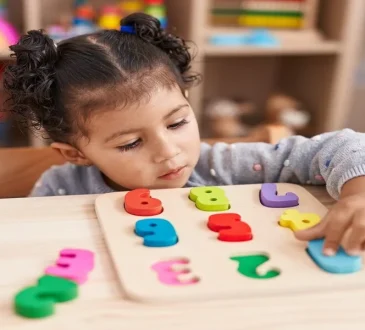


This comprehensive guide explores how targeted interventions can transform a youngster’s capacity for meaningful interaction. It provides a clear pathway for supporting development during the formative early years.
Mastering these core abilities is fundamental to a child’s growth. Youngsters learn to navigate dialogues, interpret body language, and build relationships through structured, supportive frameworks.
The following pages detail evidence-based methods, practical exercises, and professional strategies. Parents, carers, and educators can apply these approaches to bolster a young person’s interactive competencies in daily life.
Effective engagement encompasses far more than clear speech. It involves grasping social conventions, taking turns, recognising non-verbal cues, and responding suitably across different settings.
Speech and Language Therapy teams specialise in this area. They assess needs, diagnose challenges, and create individualised packages of care. Training for the wider workforce and families is central to improving outcomes.
Key Takeaways
- Early development of interactive abilities is crucial for future relationships and learning.
- Structured support helps youngsters interpret body language and conversational cues effectively.
- Therapeutic approaches are tailored to meet each individual’s unique needs and challenges.
- Practical activities can be seamlessly integrated into daily routines by parents and educators.
- Specialist services provide essential assessment and diagnosis to guide appropriate support.
- Enhancing these competencies boosts a young person’s confidence and engagement in various social settings.
- A holistic view considers understanding social rules and non-verbal signals as vital as verbal clarity.
Understanding Social Communication in Early Childhood
A youngster’s capacity to understand and respond to others starts to form long before they speak their first word. The foundational interaction patterns learnt in infancy shape future relationships.
Developmental Milestones and Non-Verbal Cues
By one year old, most babies achieve specific milestones. They stare at faces and copy expressions like sticking out their tongue.
They smile and laugh when other people do. Infants look at you when you speak and sense emotions in voices.
They respond by smiling, laughing, or quietening. Cries differ to express needs like hunger or tiredness.
Exploring their environment is key. These behaviours form the basis of non-verbal communication.
| Age | Key Milestone | Significance |
|---|---|---|
| ~1 year | Copies facial expressions | Builds mirroring and connection |
| ~1 year | Smiles/laughs responsively | Shows emotional reciprocity |
| ~1 year | Differentiates cry types | Expresses specific needs |
| ~1 year | Explores environment actively | Drives sensory and cognitive learning |
The Role of Play in Building Interaction Skills
Play is a child‘s primary way of exploring the world. It is how they acquire new words and grasp social patterns.
This learning through play is crucial over the early years. Some youngsters speak clearly with complex sentences.
Yet they may struggle because they haven’t understood social rules. This can make relating to adults and peers harder.
Their words or mannerisms might be misinterpreted. Structured play helps develop these pragmatic language abilities.
The Importance of Speech and Language in Social Development
The bridge between simply speaking and truly relating to others is built through the social use of language. This pragmatic language is the engine for forming friendships and navigating group life.
It involves taking turns in conversations to exchange messages. A youngster must also know when a response is expected from them.
Noticing and interpreting body language and facial expressions is equally vital. These non-verbal cues carry immense meaning in every interaction.
Building Relationships Through Effective Communication
Advanced skills include staying on topic or changing it suitably. One must also learn to interrupt politely.
How a person talks and behaves adapts to different contexts. One uses a more formal tone with a headteacher and a casual one with friends.
Listening to ideas, negotiating, and compromising are key. These competencies allow a child to build and maintain strong bonds with peers and adults alike.
Effective social communication skills therapy for children
Evidence-based practices form the core of effective support for developing relational abilities. Speech and language therapy teams begin with a thorough assessment and diagnosis.
These specialists create individualised packages of care. Training for the wider workforce and parents is central to success, ensuring strategies extend into daily life.
Implementing Evidence-Based Practices
One programme, Play and Connect, is a webinar providing practical strategies for carers. Copy and Connect uses principles from Intensive Interaction to foster positive exchanges.
Show and Share employs visually based, motivating activities to build shared attention. Total Communication introduces various methods like gestures, signs, and core vocabulary boards.
Watch, Wait, Communicate applies VERVE and Parent-Child Interaction principles. Specialist support for Gestalt Language Processors aids those learning through intonation and repetition.
Each approach is tailored, offering a comprehensive pathway for enhanced engagement.
Engaging Social Interaction Activities
Collaborative activities embed the practice of vital relational behaviours within meaningful, shared goals. This approach ranges from structured games to the clever use of daily routines.
Interactive Games for Enhanced Communication
Turn-taking is a fundamental pattern for positive exchange. Simple games make this concept clear and enjoyable.
Rolling a ball back and forth or adding bricks to a tower are perfect starts. An adult can label “my turn” and “your turn” during play.
For groups, pass an object around. Each child must describe it without repeating a previous answer. This builds attentive listening and patience.
A memory game like “I went to the shops…” strengthens recall. Each participant adds an item, remembering the growing list.
Utilising Daily Routines for Social Skill Development
Everyday moments are full of potential. Setting a shared goal, like delivering a message, requires natural teamwork.
For younger children, mirror play builds connection. Making silly faces together is fun and engaging.
Sensory treasure baskets with varied textures invite exploration. Posting objects into boxes develops hand-eye coordination.
Repetitive action games like ‘pat-a-cake’ establish predictable patterns. Feely books and lift-the-flap books encourage joint attention.
Singing rhymes with actions combines language with movement. These methods weave essential practice into natural interaction.
| Activity | How to Play | Key Skill Developed |
|---|---|---|
| Turn-Taking with Ball/Bricks | Partners roll a ball or place bricks alternately, verbally labelling turns. | Understanding reciprocal exchange and waiting. |
| Group Object Description | An item is passed; each person gives a unique description. | Attentive listening and expressive vocabulary. |
| Verbal Shopping List | Each player adds an item to a remembered list: “I went to the shops…”. | Auditory memory and sequential turn-taking. |
| Collaborative Tasks | Working together to complete a new puzzle or deliver a message. | Teamwork, shared focus, and problem-solving. |
Supporting Language Development at Home and in School
Creating a consistent environment for language growth requires teamwork between home and school. A unified approach ensures youngsters receive cohesive support throughout their daily routines.
This information offers practical advice. Both parents at home and education staff in the school setting can apply these strategies.
Parental and Educator Strategies in Practice
Carers can model clear language during shared reading or mealtime chats. School staff might use visual timetables and structured group tasks.
If concerns arise about a child‘s development, seek guidance. For under-fives, discuss this with a health visitor.
For a child in school, talk to their teacher. These professionals often have helpful suggestions.
Referrals to specialist services are accepted from multiple sources. Parents, health visitors, GPs, and nursery staff can all initiate this process.
A critical timeline exists for children starting primary school. The last date for an Early Years referral is the preceding May half term.
This allows time for assessment and a report before September. School staff then receive clear recommendations, easing the transition for everyone.
| Strategy Location | How to Implement | Key Benefit |
|---|---|---|
| Home | Use descriptive commentary during play and chores. | Builds vocabulary in familiar contexts. |
| Home | Establish predictable routines with simple verbal cues. | Enhances understanding of sequences. |
| School | Create peer buddy systems for collaborative tasks. | Encourages natural peer communication. |
| School | Use ‘thinking time’ after asking a question. | Supports processing and formulation of answers. |
Integrating Play into Communication Training
The most effective language training for a young child often feels indistinguishable from having fun. Play is their natural method for exploring the world. It is through play that they encounter new ideas and, crucially, acquire new words.
This playful interaction represents a fundamental set of skills. Developing these abilities directly enhances a youngster’s overall learning. The key for adults is to integrate themselves into this process seamlessly.
Adults should begin by following the child‘s lead. Engage with whatever has captured their interest at that moment. This builds engagement and shows respect for their choices.
Next, try mirroring their actions and responding to their sounds. Copying what they do validates their attempts at communication. It creates a positive, responsive pattern of exchange.
Finally, provide a simple commentary. Talk about what the youngster is doing as they play. This running dialogue helps them connect language directly to their immediate experiences.
This approach creates natural, pressure-free opportunities. A child can practise new abilities with a trusted person in a familiar setting. Learning becomes enjoyable shared time, not formal instruction.
| Adult Strategy | How to Do It | Key Benefit |
|---|---|---|
| Follow the Lead | Join in with whatever toy or activity the child has chosen. | Builds engagement and respects the child’s autonomy. |
| Mirror and Respond | Copy the child’s actions and sounds, then add a related response. | Validates attempts and encourages turn-taking. |
| Provide Commentary | Narrate the play with simple sentences about what is happening. | Connects vocabulary and phrases directly to real-world actions. |
Incorporating Expert Guidance from Chattertots Speech Therapy
Specialist advice bridges the gap between everyday support and targeted developmental progress. Chattertots Speech Therapy provides this crucial professional information. Their advice helps carers understand the principles behind effective interaction.
This guidance transforms well-meaning efforts into structured, evidence-based practice. It ensures a child receives consistent, high-quality support tailored to their needs.
Utilising Specialist Tips for Effective Communication
Experts offer practical strategies for encouraging expression and expanding language use. These tips create communication-rich environments at home and in school.
Professionals focus on building foundational skills through engaging, daily activities. The table below outlines key techniques recommended by specialists.
| Specialist Tip | How to Apply | Primary Benefit |
|---|---|---|
| Modelling Clear Speech | Use simple, slightly slowed-down sentences during play. | Makes speech sounds easier to hear and copy. |
| Expanding Phrases | Add one word to what the youngster says. If they say “car”, you say “red car”. | Gently increases vocabulary and sentence length. |
| Creating Communication Opportunities | Place a favourite toy slightly out of reach to encourage a request. | Motivates the child to initiate interaction. |
| Using Visual Supports | Implement picture cards for daily routines or choice-making. | Reduces frustration and supports understanding. |
Implementing Strategies Recommended by Chattertots
Following guidance from Chattertots ensures methods are based on the latest research. Their approach involves collaborative goal-setting with families.
Carers learn to observe, interpret, and respond to a youngster’s attempts more effectively. This partnership creates a comprehensive support system.
It addresses each young person’s unique strengths and areas for growth. Accessing such expert advice is particularly valuable for children facing specific challenges.
Encouraging Social Engagement Through Creative Approaches
Through the lens of creativity, youngsters can explore social dynamics and practise interaction without the pressure of direct instruction.
Creative methods provide rich, expressive contexts that appeal to diverse interests.
Incorporating Arts, Music and Role Play
Artistic activities create natural opportunities for exchange. A young person can express ideas and share their creative process.
This builds language whilst focusing on enjoyable expression. Music-based games encourage turn-taking and shared attention.
Singing and rhythm games support listening and synchronised interaction. Role play is particularly valuable for practising social communication.
It allows a child to experiment with different roles. They can explore scripts and responses in simulated situations.
These approaches naturally incorporate multiple modalities. Youngsters can use gestures, expressions, and vocalisations together.
This benefits those who find purely verbal communication challenging. Arts, music, and role play are highly adaptable.
They suit different developmental levels and abilities. Small group settings provide structured chances to practise with peers.
Adults can facilitate positive experiences in these supportive environments. This fosters confidence in social communication for all children.
Personalised Strategies for Unique Communication Needs
A one-size-fits-all approach rarely succeeds in fostering meaningful connection for a developing individual. Effective support must be tailored to the specific profile of each youngster, accommodating a wide range of language communication needs.
Age guidelines are merely a rough guide. Each child progresses at their own pace. Comparing them to siblings or peers is often unhelpful.
Adapting Techniques for Different Age Groups
Strategies must evolve to match developmental stages. What engages an infant differs vastly from methods for a school-age youngster.
For a child on the autism spectrum disorder, approaches require further modification. Sensory preferences, need for routine, and literal thinking must guide technique selection.
| Age Group | Core Strategy Focus | Considerations for Autism Spectrum |
|---|---|---|
| Infants (0-2 years) | Responsive interaction, mirroring sounds and actions. | Observe sensory tolerances for touch and sound during play. |
| Pre-schoolers (3-5 years) | Structured play to practise turn-taking and shared attention. | Use visual schedules to create predictable routines. |
| School-age (5+ years) | Role-play for navigating peer interactions and understanding social narratives. | Provide explicit explanations of figurative language and unwritten social rules. |
Monitoring Progress with Tailored Approaches
Success hinges on observing the individual in various situations. Document what prompts a positive response or a successful exchange.
Progress is measured by the individual’s growing confidence and ability, not against a standard timeline. Strategies should be adjusted fluidly based on these observations.
Professional Advice and Resources: Insights from Chattertots
Navigating the landscape of developmental support is simplified with clear signposting to expert advice and community programmes. Families and education staff can find a wealth of information to guide their efforts.
Accessing Support and Further Information
Online tools provide an excellent starting point. The Progress Checker website lets carers see how a youngster is getting on with speech, language, and communication development.
For simple, engaging activities, the NHS Start for Life and BBC Tiny Happy People sites are invaluable. They offer games designed to build foundational abilities.
Local Family Hubs provide a range of in-person groups. These sessions create a supportive setting for parents and carers to learn together.
| Resource | Description | Details |
|---|---|---|
| Progress Checker | Online milestone tracker | Monitors speech and language progress |
| Family Hub Groups | Local support sessions | Includes Peep-A-Boo (0-18m) & Play and Talk (18m-4y) for children |
| NHS / BBC Websites | Activity libraries | Free games and ideas for home use |
More Tips and Tools from Chattertots
Specialist insights, such as those from Chattertots Speech Therapy, translate evidence into daily practice. Chattertots provides strategies that empower adults in any education or home setting.
To connect directly with support services, families can call 0300 029 50 50 or text 07520 649887. The line is open weekdays from 9am to 5pm.
This professional information ensures carers and school staff feel confident. They can apply effective, tailored advice in every interaction.
Conclusion
The path to confident engagement with the world is built upon a foundation of understood cues, shared moments, and responsive exchanges. This guide has explored the multifaceted nature of supporting social communication development in young people across various situations.
Effective communication skills encompass interpreting body language, learning to take turns in conversation, and maintaining attention to both verbal and non-verbal signals. These abilities allow a child to adapt their style when interacting with different people and adults.
Speech and language therapy plays a critical role in this process. Collaborative efforts between parents, educators, and professionals create environments where youngsters can practise through everyday activities and structured games.
Personalised approaches address each individual’s unique language communication needs, recognising development occurs at different rates over the years. This ongoing process requires patience and consistent use of evidence-based techniques across a range of contexts, from home to the school setting.
By applying the strategies discussed, every person involved can contribute to a youngster’s success in social communication interaction. This support helps them become confident communicators who engage meaningfully with others, navigate various conversations, and express themselves effectively throughout their development.