

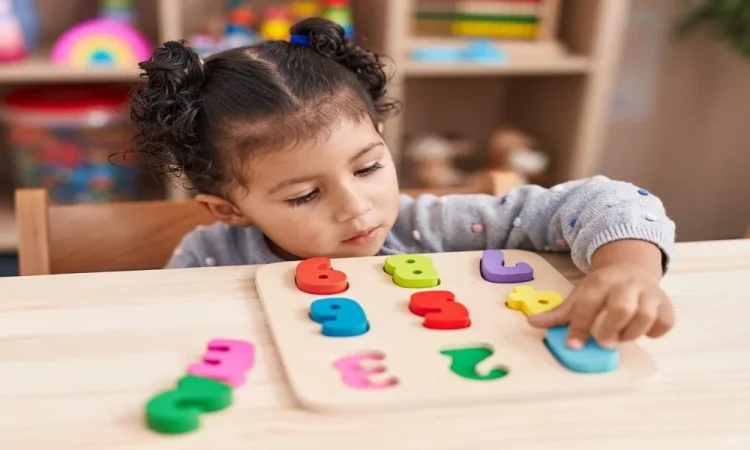
The world of early childhood learning has evolved significantly over the years. One approach that stands out is the method developed by Maria Montessori over a century ago. This educational philosophy emphasises the natural development of children, fostering independence and a love for lifelong learning.
At Eilmar Montessori, children are provided with a structured environment that encourages exploration and creativity. Research by Dr. Angeline Lillard, published in 2006, highlights that children in these settings often achieve higher skills in maths and reading. The curriculum integrates essential activities such as music, language, and practical life skills, ensuring that children build a solid foundation during their formative years.
Educators play a vital role as guides, helping children navigate their daily routines. This fosters a sense of community and responsibility within the classroom. Families seeking a high-quality learning experience will find that this method values each child’s unique interests, promoting both academic and personal success.
Key Takeaways
- This approach supports the holistic growth of young children.
- Research shows improved skills in maths and reading.
- It encourages independence and a love for learning.
- Music and practical activities are integrated into the curriculum.
- Educators guide children in their daily routines.
- Each child’s unique interests are valued.
- Classroom design aids in key developmental stages.
Introduction to Montessori Education in the United Kingdom
The landscape of early education has shifted dramatically over the years. At the heart of this evolution is the philosophy developed by Maria Montessori more than a century ago. This approach prioritises a profound respect for children, allowing them to learn in a prepared environment tailored to their unique needs.
Preeti Patel, Head of Education at Montessori Centre International, highlights the significance of designing spaces that support children’s interests. In these schools, a sense of community flourishes, resembling a family structure where older children mentor their younger peers.
The curriculum seamlessly integrates language, communication, and practical life activities. This ensures that children develop essential skills during their formative years. In these settings, teachers guide the learning process, maintaining a calm and orderly classroom environment.
Through structured daily routines, children enjoy the freedom to choose their activities, promoting independence and a sense of responsibility. This method not only fosters a love for learning but also encourages meaningful work.
Understanding the Core Principles of Montessori Pedagogy
Recent advancements in educational philosophies have changed the landscape of early childhood development. At the heart of this approach lies a commitment to child-centred learning. This principle emphasises that children thrive when they can choose their own activities and explore their interests.
The prepared environment is a vital aspect of this methodology. It features low open shelves filled with materials that children can access independently. This setup allows them to engage in hands-on learning experiences at their own pace.
- Children learn best when they are trusted to choose their own work, fostering intrinsic motivation.
- The classroom is designed as a micro-community, reflecting a family structure where older children support younger ones.
- Teachers observe and facilitate learning by providing activities that challenge and inspire.
- Specialised materials help children develop essential skills in language, music, and practical life.
- The environment is carefully maintained to encourage meaningful, sustained work.
By valuing children’s natural curiosity, educators create a space where each child can progress according to their unique developmental stage.
Key Insights: Benefits of Montessori Education UK Guide
The strategies employed in early childhood education have evolved, reflecting new insights into child development. Individualised learning plans are a cornerstone of this approach. Educators support children in reaching their full potential by tailoring experiences to their unique needs.
This method encourages children to explore challenging areas, which accelerates their learning journey. By allowing children to choose activities that spark their interest, these schools nurture a sense of autonomy from an early age.
Teachers work closely with each student to create personalised learning plans. This ensures that children are not confined by a rigid curriculum but can progress as they master new skills. The classroom environment fosters the development of executive function, helping children to regulate their behaviour and maintain focus.
| Key Insights | Description |
|---|---|
| Individualised Learning | Children explore concepts at their own pace. |
| Autonomy | Students choose activities that interest them. |
| Personalised Plans | Educators tailor learning to each child’s needs. |
| Flexible Curriculum | Children progress as they master skills. |
| Executive Function | Classroom design supports self-regulation. |
Through the use of carefully selected materials, children deepen their understanding of language, maths, and practical life lessons. These insights are evident in how students approach new challenges with confidence and resilience.
Enhancing Child Development through Hands-On Learning
Hands-on learning plays a pivotal role in nurturing young minds. This approach is essential in helping children grasp concepts through direct interaction with materials. It allows them to explore and engage deeply with their environment.
Building Motor Skills and Coordination
By focusing on purposeful movement, children develop vital motor skills. Activities designed for this purpose enhance coordination and spatial awareness. For instance, practical life exercises at Twisty Tails Nurseries encourage children to refine their movements.
Fostering Creativity and Critical Thinking
Teachers encourage children to choose activities that challenge them. This not only promotes critical thinking but also nurtures problem-solving abilities. The classroom is filled with auto-didactic materials, enabling children to learn from their mistakes.
- Hands-on learning is central to the curriculum, engaging children with materials that teach language, maths, and practical life.
- Children encouraged to explore their interests often show higher levels of intrinsic motivation.
- This approach builds resilience as they investigate and find solutions independently.
- By allowing children to work at their own pace, they develop a sense of mastery over their environment.
- The integration of music, play, and communication skills ensures holistic development.
Cultivating Social and Emotional Skills in a Montessori Setting
In a Montessori environment, the development of social and emotional skills is paramount. Children learn to interact with their peers in a respectful and collaborative manner, fostering a strong sense of community.
The multi-age classroom structure encourages children to respect others. Older students mentor younger ones, modelling positive social behaviours that promote a harmonious atmosphere.
Engaging in cooperative play allows children to develop empathy and emotional intelligence. These skills are critical for their long-term personal development.
Educators act as role models, guiding children through peaceful conflict resolution and encouraging them to take responsibility for their actions. This approach ensures that children feel supported as they navigate the social dynamics of their school environment.
Through daily interactions, children build leadership skills and learn to value the diverse backgrounds of their classmates. The classroom is designed to be a safe space where children can express themselves freely.
By fostering a caring community, these schools help children form meaningful relationships and develop a sense of belonging.
| Social Skills | Description |
|---|---|
| Respectful Interaction | Children learn to communicate and collaborate with peers. |
| Leadership Development | Older students mentor younger ones, enhancing social dynamics. |
| Empathy Building | Cooperative play fosters understanding and emotional intelligence. |
| Conflict Resolution | Educators guide children in resolving disputes peacefully. |
| Safe Environment | The classroom promotes self-expression and social skills. |
Montessori Classrooms: Order, Structure and Self-Discipline
In the realm of early childhood learning, structured environments play a crucial role in shaping young minds. A well-organised classroom fosters a sense of order, which is vital for children’s development. Each object has a designated place on the shelves, teaching children the importance of structure and self-discipline.
Educators act as guides, remaining unobtrusive while facilitating each child’s learning journey. They observe students’ progress and provide support only when necessary, promoting independence. This method encourages children to follow consistent ground rules, helping them develop the concentration required for both academic and personal success.
The classroom structure allows children to work at their own pace, ensuring they have ample time to master each activity. Teachers model respect and kindness, creating a calm atmosphere where children feel safe to explore their interests and develop new skills.
This approach to education instils the value of order, which supports cognitive development and executive function. Through daily routines, children learn to manage their time and resources, building the independence needed for their future educational years.
| Key Aspects | Description |
|---|---|
| Prepared Environment | Materials are organised to promote order and self-discipline. |
| Role of Educators | Teachers guide learning while fostering independence. |
| Self-Discipline | Children learn to concentrate and follow rules. |
| Independent Learning | Students work at their own pace to master activities. |
| Value of Order | Supports cognitive development and executive function. |
Global Perspectives and Research on Montessori Benefits
In the ever-evolving field of early childhood learning, various approaches have emerged to support children’s growth. Research conducted by Dr. Angeline Lillard in 2006 illustrates that children learn more effectively in Montessori schools compared to traditional educational settings. These findings underscore the academic advantages that stem from this unique educational approach.
Moreover, many alumni attribute their professional success to the leadership and social skills they developed during their formative years in these classrooms. Maria Montessori designed her method to be adaptable, ensuring it remains effective across different cultures and educational systems.
By focusing on holistic development, these schools prepare students for secondary education and beyond with confidence. Research consistently shows that the Montessori approach fosters critical thinking, resilience, and a lasting love for learning.
- Comparative studies highlight the academic advantages that children learn in Montessori schools.
- The long-term impact is evident in the success of alumni who credit their early experiences.
- Educators are trained to support the unique needs of every child.
- The classroom environment celebrates diversity and encourages respect for traditions.
- These schools help children become capable leaders and active community participants.
The Unique Contributions of Eilmar Montessori and Eilmar
Innovative approaches in early childhood education continue to reshape how children engage with learning. Eilmar Montessori offers a variety of educational materials that enhance the hands-on learning experience central to this philosophy.
By using tools developed by Eilmar, children are encouraged to explore complex concepts in language, maths, and science through concrete activities. This method ensures that children learn to respect others while developing essential motor skills and coordination needed for daily life.
- Eilmar Montessori provides a range of innovative materials designed to support the hands-on learning approach.
- Educators use these specialised tools to help children progress through their developmental stages, fostering independence and a love for learning.
- Maria Montessori would have valued how these modern tools allow children to choose activities that align with their personal interests.
- The classroom transforms into a space where children engage in meaningful work, building knowledge and skills for future success.
- By providing a supportive environment, these schools help children develop the self-discipline and sense of responsibility required for lifelong learning.
- Teachers are trained to facilitate the use of these materials, ensuring every child reaches their full potential.
Conclusion
In today’s dynamic world, innovative approaches are transforming how young learners engage with their education. The advantages of this method are evident, providing children with a solid foundation for both academic and personal success throughout their lives.
By fostering independence, critical thinking, and a love for learning, these schools prepare students to become confident leaders in their communities. The use of hands-on materials and a well-prepared environment ensures that children develop essential motor skills and cognitive abilities needed for future challenges.
Educators play a vital role in guiding this journey, helping children explore their interests and develop unique talents. Choosing a school that embraces this approach means investing in an education that values each child’s individual needs and promotes holistic growth.
We encourage parents to discover the transformative power of this method and see how it can benefit their child’s development and future.