

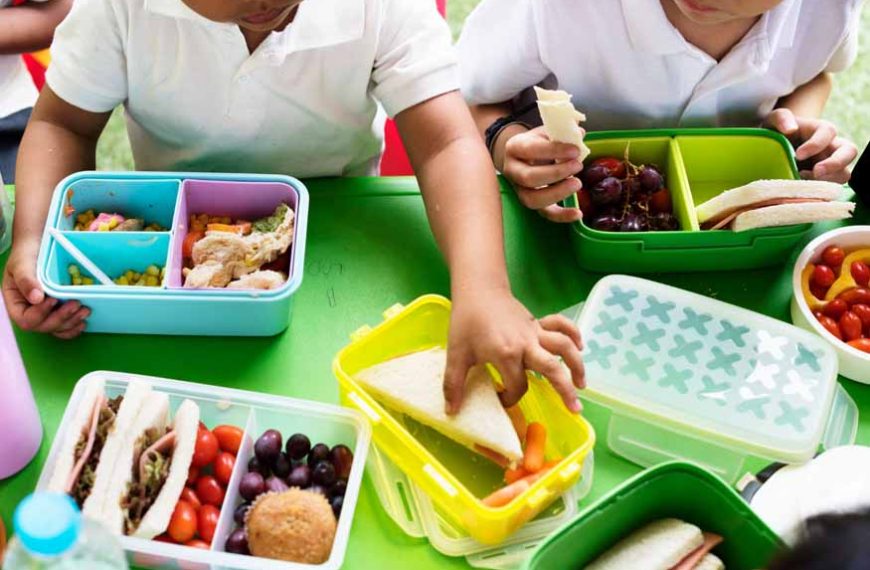
For many families, school mornings are a race against the clock. Between early classes, work commitments, and after-school activities, preparing a healthy lunch every day can feel like one more task squeezed into an already full schedule. This reality has helped fuel the rise of the school lunch delivery service, a solution designed to make mealtime easier while improving nutrition for students.
More than a convenience, school lunch delivery is reshaping how schools, parents, and students think about food. These services combine professional meal planning, reliable logistics, and nutrition-focused menus to create a system that supports both academic performance and long-term health.
Why School Lunch Delivery Services Are Gaining Momentum
Convenience Meets a Real Need
Modern families are busier than ever. Dual-income households, long commutes, and packed student schedules leave little time for daily lunch preparation. A school lunch delivery service removes that pressure by providing ready-to-eat meals delivered directly to schools.
This shift is not just about saving time. It reflects a growing awareness of how nutrition affects children’s energy, focus, and overall well-being. Many parents want healthier lunches than what is typically packed in a hurry, but struggle to make that happen consistently.
School lunch delivery services help bridge that gap by offering dependable, nutritious meals without adding stress to the morning routine.
Supporting Health and Food Security
Access to consistent, balanced meals is a critical issue. In the United States, a significant number of children experience food insecurity, which can impact academic performance and development. School lunch delivery services provide a structured solution that ensures students receive meals aligned with nutritional standards.
By offering reliable access to professionally prepared lunches, these programs support families who may otherwise struggle to provide consistent nutrition during the school day.
How School Lunch Delivery Encourages Healthier Eating
Nutrition Designed by Professionals
A core advantage of a school lunch delivery service is expert-driven menu planning. Many providers work with registered dietitians to design meals that meet established nutritional guidelines. These lunches typically include appropriate portions of lean protein, whole grains, fruits, vegetables, and healthy fats.
Meals are structured to support sustained energy and concentration throughout the school day. This is especially important for younger students, whose learning and behavior are closely linked to blood sugar balance and nutrient intake.
Expanding Food Exposure and Preferences
School lunch delivery services often introduce students to foods they may not encounter at home. Whole grains, fresh vegetables, and global flavors become part of regular meals, helping students develop broader and healthier eating habits.
Research shows that repeated exposure to nutritious foods increases acceptance over time. When healthy options are normalized and appealing, students are more likely to choose them willingly.
The Logistics Behind a Reliable School Lunch Delivery Service
Freshness, Safety, and Timing
Delivering meals to schools requires careful coordination. Providers must manage ingredient sourcing, food preparation, temperature control, and delivery schedules with precision.
Many school lunch delivery services rely on technology to optimize routes and timing, ensuring meals arrive fresh and ready to serve. Food safety standards are central to operations, with strict protocols for storage, handling, and packaging.
Local Sourcing and Sustainability
An increasing number of providers partner with local farms and suppliers to source ingredients. This approach improves freshness, supports local economies, and often reduces environmental impact.
Sustainable packaging is also becoming more common. Compostable containers and reduced plastic use reflect growing demand for environmentally responsible school meal solutions.
Benefits for Schools Beyond the Lunchroom
Reduced Administrative Burden
Managing in-house meal programs can be resource-intensive. Staffing, compliance, and budgeting challenges often strain school administrators. A school lunch delivery service shifts much of that responsibility to experienced providers.
These services typically handle menu planning, procurement, preparation, and delivery, allowing schools to focus on education rather than food operations.
Improved Planning and Data Insights
Digital ordering platforms streamline meal selection for families and schools. These systems provide valuable data on student preferences, participation rates, and consumption patterns.
With better data, schools and providers can reduce food waste, adjust menus, and improve overall efficiency.
What Parents Should Look for in a School Lunch Delivery Service
Nutritional Quality and Transparency
Parents should start by evaluating the nutritional standards behind the meals. Ask whether menus are designed by qualified professionals and whether nutritional information is readily available.
Ingredient transparency is equally important. Knowing where food comes from and how it is prepared builds trust and confidence.
Flexibility and Customization
A strong school lunch delivery service offers customization. This includes options for food allergies, dietary restrictions, and cultural preferences.
The ability to tailor meals ensures inclusivity and helps students feel comfortable and safe eating at school.
Reliability and Communication
Consistent delivery timing is essential. Late or missed meals disrupt the school day and student focus. Parents should also look for clear communication channels, including order confirmations, menu updates, and customer support.
Customization and Inclusivity in Modern School Lunch Programs
Today’s classrooms include students with a wide range of dietary needs. Effective school lunch delivery services account for this diversity by offering vegetarian, vegan, gluten-free, and allergen-aware options.
Customization does more than meet medical needs. It encourages students to take ownership of their food choices, which can increase satisfaction and reduce waste.
Some providers also incorporate nutrition education, helping students understand why certain foods are included and how they support health.
The Future of School Lunch Delivery Services
Technology-Driven Improvements
Technology continues to shape the evolution of school lunch delivery services. Mobile apps and online platforms allow families to browse menus, customize meals, and manage orders easily.
Advanced data analytics and AI tools help providers predict demand, refine menus, and reduce waste. These systems allow for faster adaptation to trends and seasonal availability.
Sustainability as a Core Focus
Environmental responsibility is becoming a defining feature of modern school meal programs. Plant-forward menus, local sourcing, and reduced packaging waste are all part of this shift.
These practices not only benefit the planet but also teach students about sustainability through everyday experiences.
Policy and Regulation
Government guidelines play a major role in shaping school meal services. Nutrition standards, funding programs, and access initiatives influence how providers operate.
As legislation continues to prioritize healthy school meals, school lunch delivery services are likely to become even more integrated into education systems.
Final Thoughts on the Value of a School Lunch Delivery Service
A school lunch delivery service is more than a logistical solution. It is a structured approach to improving nutrition, reducing family stress, and supporting student success.
By combining professional meal planning, reliable delivery, and thoughtful customization, these services are redefining what school lunch can be. As technology, sustainability, and nutrition science continue to advance, school lunch delivery is poised to play an even greater role in shaping healthier, more supportive learning environments for students.